Space science
The original gold smelter in the universe
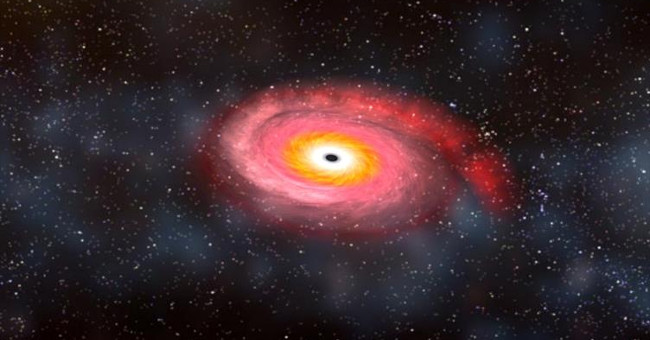
Neutron stars are the most dense star in the universe. It is estimated that only a scoop of neutron star's surface matter weighs three billion tons, 900 times the mass o…
Browse ScienceInfo articles and explainers related to Black Hole.
385 published items.
Neutron stars are the most dense star in the universe. It is estimated that only a scoop of neutron star's surface matter weighs three billion tons, 900 times the mass o…
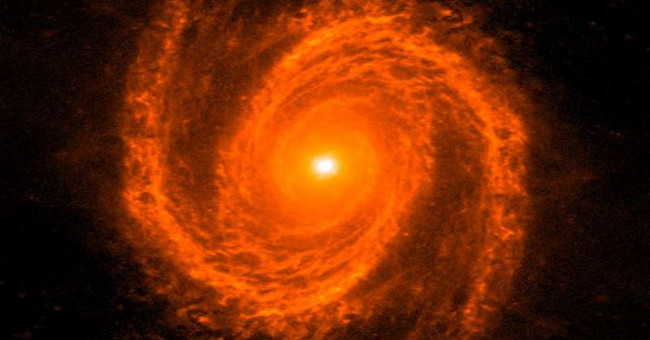
Dr. Benjamin Davis and Professor Alister Graham, led this new study to restore the link between mass black holes and spiral branch geometry.
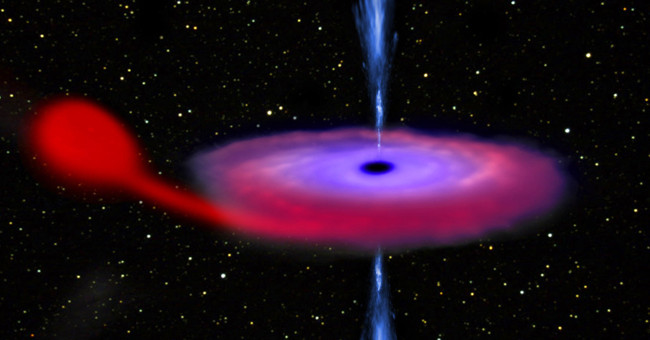
The group of scientists said that astronomers only need normal telescopes and the naked eye can see black holes.
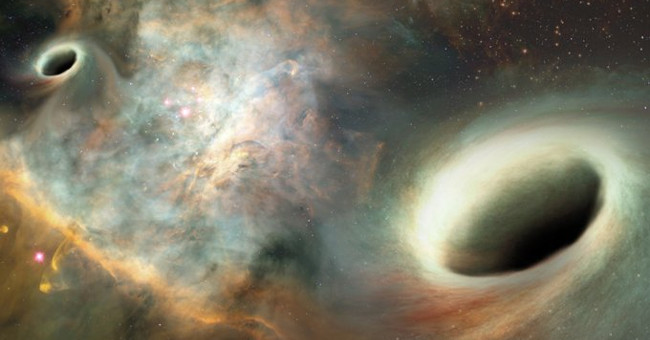
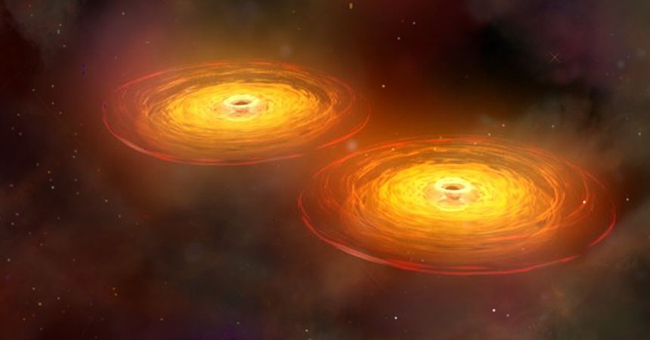
Two giant black holes in the galaxy 0402 + 379 revolve around each other for the first time.
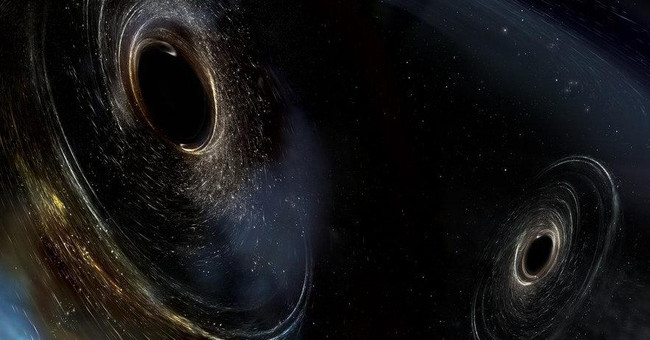
Scientists have recorded the sound emitted from the collision of two black holes, the sound would be different from your imagination.
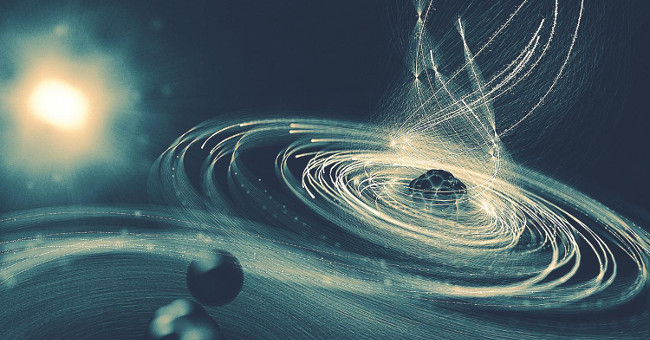
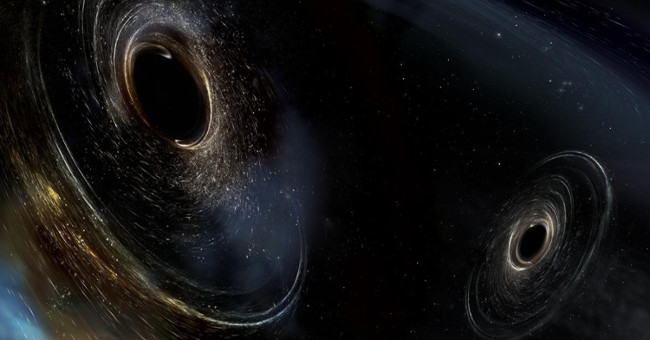
German scientists continue to discover that new gravitational signals stem from the merger of two black holes 3 billion light-years away.
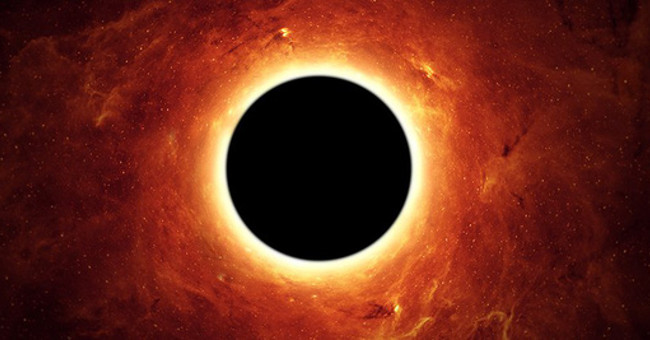
This discovery may affect how we simulate the formation of stars and planets, and even help us discover a theoretical form of radiation that explains the black hole's de…
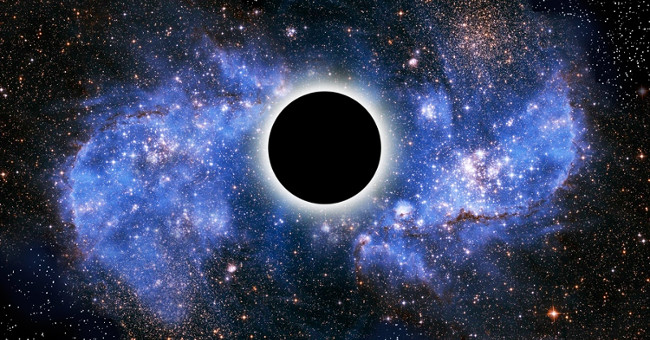
Cosmic black hole is a completely new concept but still contains many mysteries for humans. Black holes in the pillar have tremendous power, they can
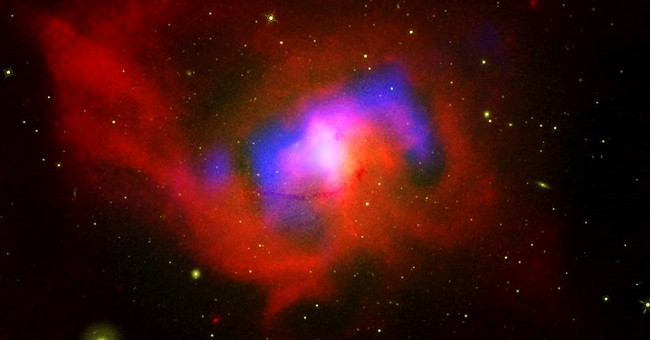
The new information shows that a giant black hole can push matter into the subject Milky Way, a phenomenon that many people associate with a beating heart pumping blood…
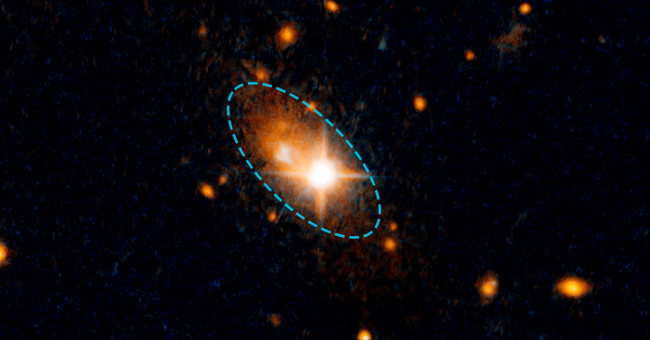
The Hubble Space Telescope has discovered a giant black hole believed to be the largest ever outside the galactic core with a mass of more than 1 billion times the Sun.
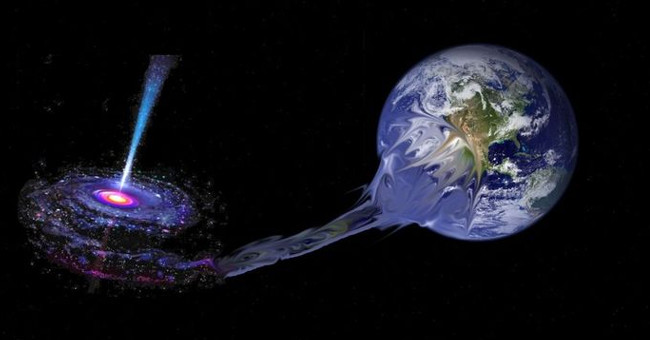
Humans cannot approach the black hole, but the robots can perform this difficult task and send the signal back to Earth before passing through the event horizon.
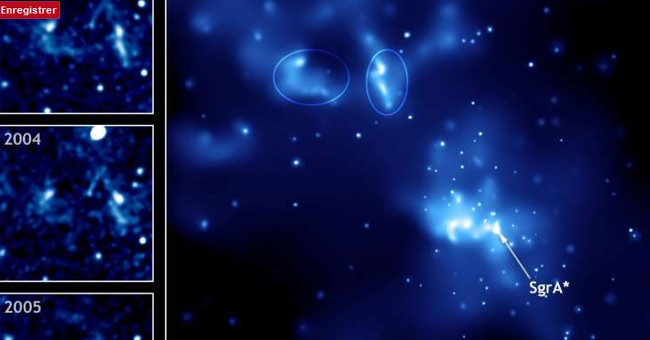
A group of researchers around the world include groups operating radio signal receiving stations and a group of scientists at Massachussets University of Technology (MIT…
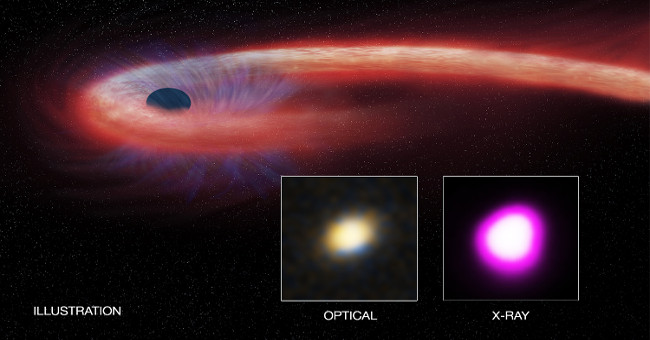
An extremely large cosmic black hole